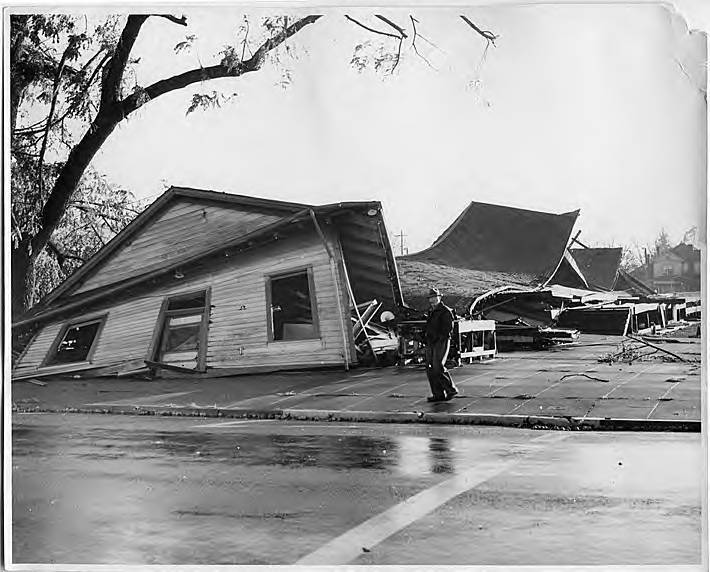
Black and white image of a building, destroyed by the storm. The remains of Typhoon Freda, the Columbus Day Storm cut a swath of destruction through the Pacific Northwest, with the bulk of the damage occurring in Oregon's Willamette Valley and along the Oregon coast. Thousands of homes were 'severely damaged' in Oregon, according to a Red Cross survey after the storm, and almost 500,000 families were without power or telephone service, many of them for weeks as local utilities struggled to rebuild a power grid that had been virtually destroyed. Many Oregon cities were without power for two to three weeks after the storm.
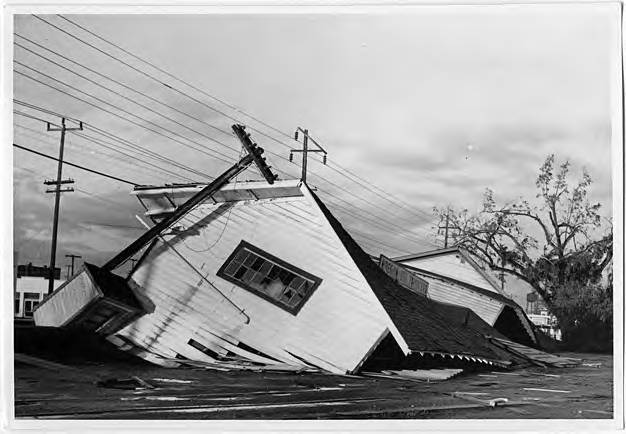
Black and white image of a small building used by Oregon Egg Producers. The building has been largely flattened by the storm. The remains of Typhoon Freda, the Columbus Day Storm cut a swath of destruction through the Pacific Northwest, with the bulk of the damage occurring in Oregon's Willamette Valley and along the Oregon coast. Thousands of homes were 'severely damaged' in Oregon, according to a Red Cross survey after the storm, and almost 500,000 families were without power or telephone service, many of them for weeks as local utilities struggled to rebuild a power grid that had been virtually destroyed. Many cities were without power for two to three weeks.
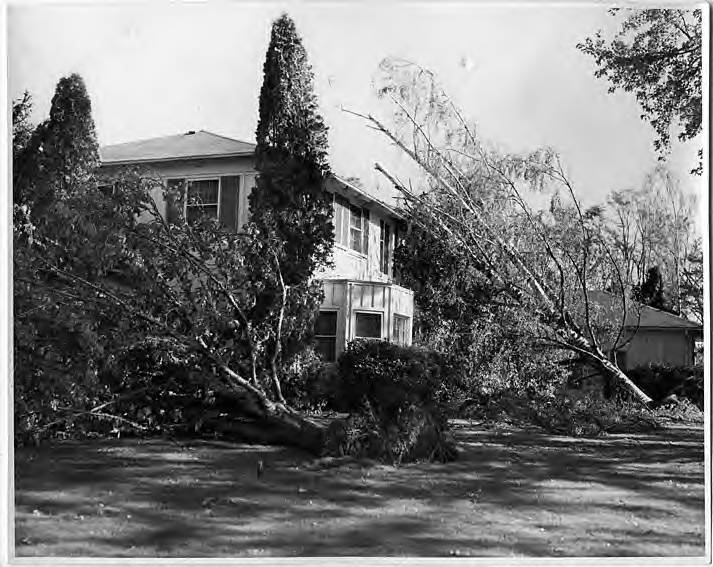
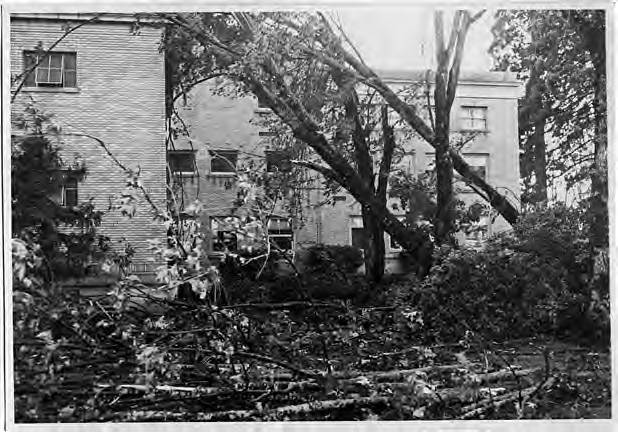
Black and white image of a large house with two blown down trees in the yard. The remains of Typhoon Freda, the Columbus Day Storm cut a swath of destruction through the Pacific Northwest, with the bulk of the damage occurring in Oregon's Willamette Valley and along the Oregon coast. Thousands of homes were 'severely damaged' in Oregon, according to a Red Cross survey after the storm, and almost 500,000 families were without power or telephone service, many of them for weeks as local utilities struggled to rebuild a power grid that had been virtually destroyed.
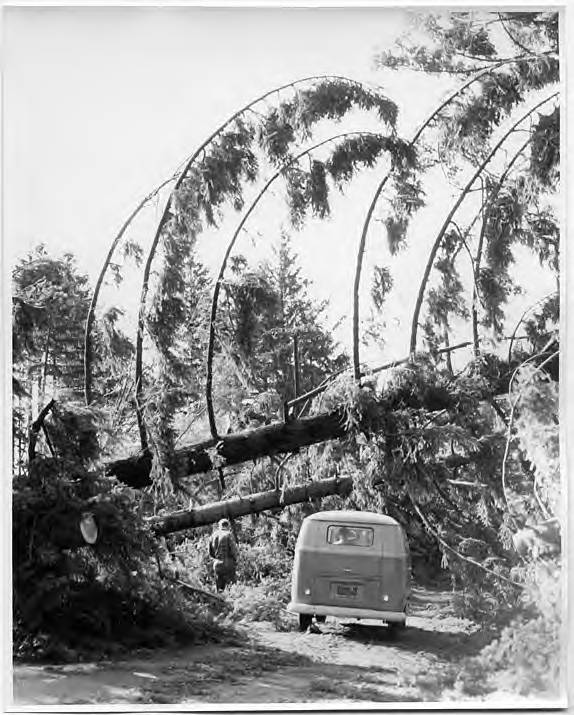
Black and white image of large pines that have been knocked down, with a Volkswagen van parked beneath them. Billions of board feet of timber were flattened by the winds generated by the storm, similar to the 1933 Tillamook Burn in Oregon, but the Tillamook Fire had destroyed trees in a concentrated area. The Columbus Day Storm blew threw thousands of square miles of timber, creating an impossible tangle of downed trees and tree limbs which rendered many areas near inaccessible. Concerned about potential bark beetle infestations fed by thousands of dead and dying trees and the potential for hazardous forest fires the next summer, private and government timber interests embarked upon one of the largest timber salvage operations in modern history.
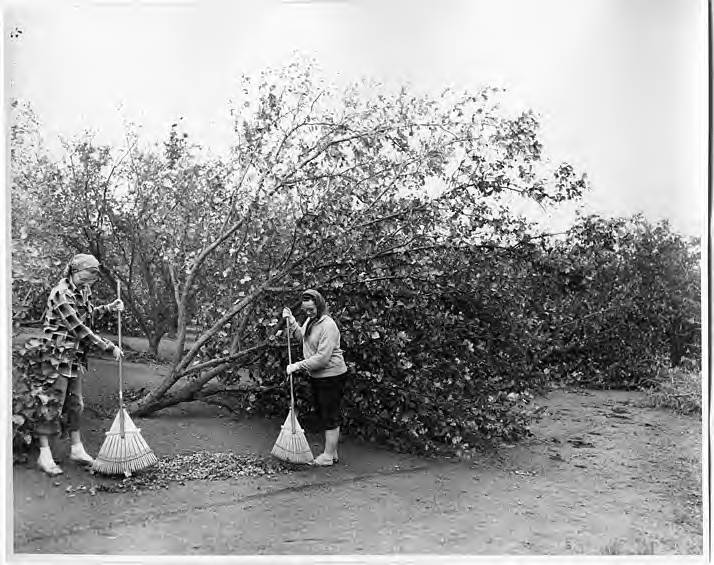
Black and white image of two women with rakes, cleaning up leaves and debris. Behind the women a number of small trees have been blown down. Many local orchards were entirely destroyed by the storm. The remains of Typhoon Freda, the Columbus Day Storm cut a swath of destruction through the Pacific Northwest, with the bulk of the damage occurring in Oregon's Willamette Valley and along the Oregon coast. Thousands of homes were 'severely damaged' in Oregon, according to a Red Cross survey after the storm, and almost 500,000 families were without power or telephone service, many of them for weeks as local utilities struggled to rebuild a power grid that had been virtually destroyed.
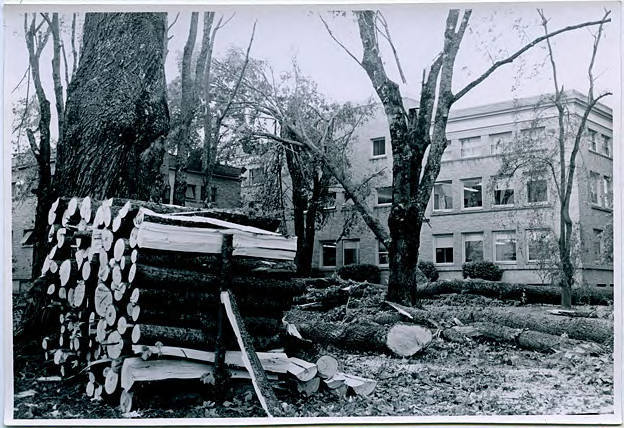
Black and white image of broken trees and debris scattered across the lawn of the Washington County Courthouse. Fresh cut wood stacked at the left of the picture indicates that cleanup is in progress. The Columbus Day Windstorm was an extra-tropical cyclone, essentially a rainless hurricane. The storm cut a swath of destruction through northern California, Oregon, Washington, and British Columbia on October 12, 1963, with the bulk of the damage occurring along the Oregon coast and in the Willamette Valley. The highest winds recorded in the Portland area reached 116 mph, but many local anemometers (wind gauges) were destroyed by the storm after reaching their measurement capacity. Damage estimates in current (2012) dollars were between $3 and $5 billion dollars, including 11 to 15 billion board feet of timber in the Coast Range.
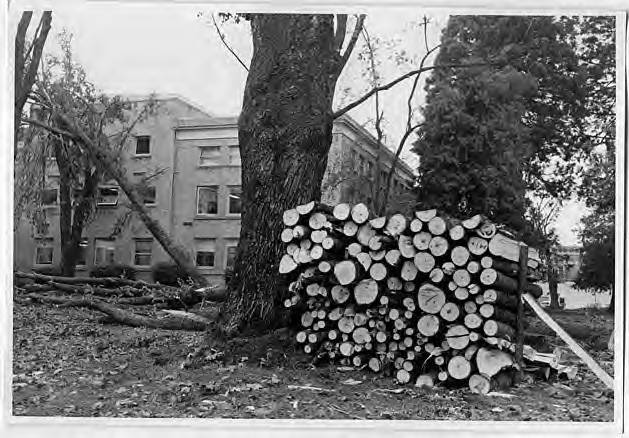
Black and white image of broken trees and debris scattered across the lawn of the Washington County Courthouse. Fresh cut wood stacked at the right of the pictures indicates that cleanup is in progress. The Columbus Day Windstorm was an extra-tropical cyclone, essentially a rainless hurricane. The storm cut a swath of destruction through northern California, Oregon, Washington, and British Columbia on October 12, 1963, with the bulk of the damage occurring along the Oregon coast and in the Willamette Valley. The highest winds recorded in the Portland area reached 116 mph, but many local anemometers (wind gauges) were destroyed by the storm after reaching their measurement capacity. Damage estimates in current (2012) dollars were between $3 and $5 billion dollars, including 11 to 15 billion board feet of timber in the Coast Range.
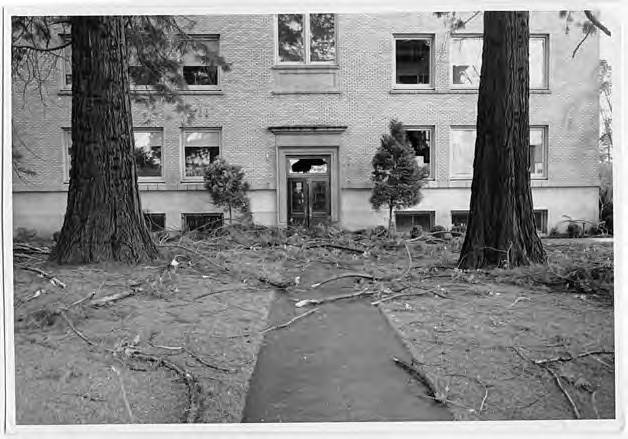
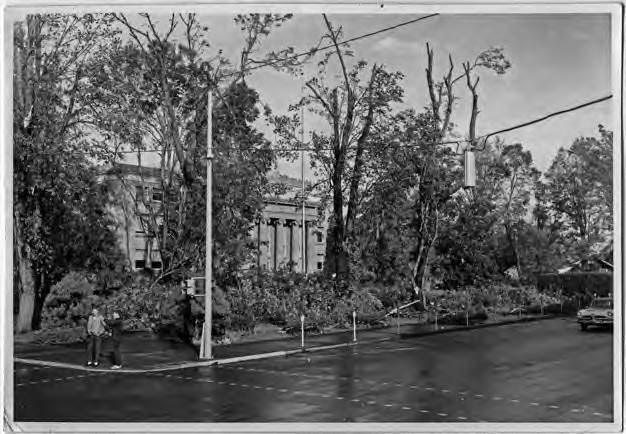
Black and white image of broken trees and tree limbs scattered across the lawn of the Washington County Courthouse. The Columbus Day Windstorm was an extra-tropical cyclone, essentially a rainless hurricane. The storm cut a swath of destruction through northern California, Oregon, Washington, and British Columbia on October 12, 1963, with the bulk of the damage occurring along the Oregon coast and in the Willamette Valley. The highest winds recorded in the Portland area reached 116 mph, but many local anemometers (wind gauges) were destroyed by the storm after reaching their measurement capacity. Damage estimates in current (2012) dollars were between $3 and $5 billion dollars, including 11 to 15 billion board feet of timber in the Coast Range.
Black and white image of broken trees and tree limbs scattered across the southern lawn of the Washington County Courthouse. The Columbus Day Windstorm was an extra-tropical cyclone, essentially a rainless hurricane. The storm cut a swath of destruction through northern California, Oregon, Washington, and British Columbia on October 12, 1963, with the bulk of the damage occurring along the Oregon coast and in the Willamette Valley. The highest winds recorded in the Portland area reached 116 mph, but many local anemometers (wind gauges) were destroyed by the storm after reaching their measurement capacity. Damage estimates in current (2012) dollars were between $3 and $5 billion dollars, including 11 to 15 billion board feet of timber in the Coast Range.
Black and white image of damaged trees and broken tree limbs scattered across the eastern lawn of the Washington County Courthouse. The Columbus Day Windstorm was an extra-tropical cyclone, essentially a rainless hurricane. The storm cut a swath of destruction through northern California, Oregon, Washington, and British Columbia on October 12, 1963, with the bulk of the damage occurring along the Oregon coast and in the Willamette Valley. The highest winds recorded in the Portland area reached 116 mph, but many local anemometers (wind gauges) were destroyed by the storm after reaching their measurement capacity. Damage estimates in current (2012) dollars were between $3 and $5 billion dollars, including 11 to 15 billion board feet of timber in the Coast Range.
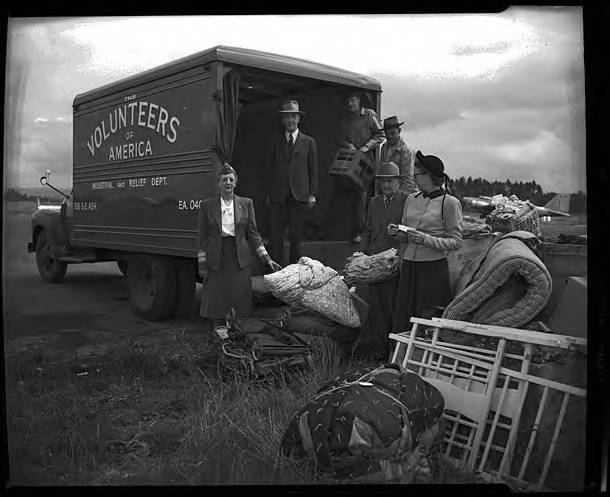
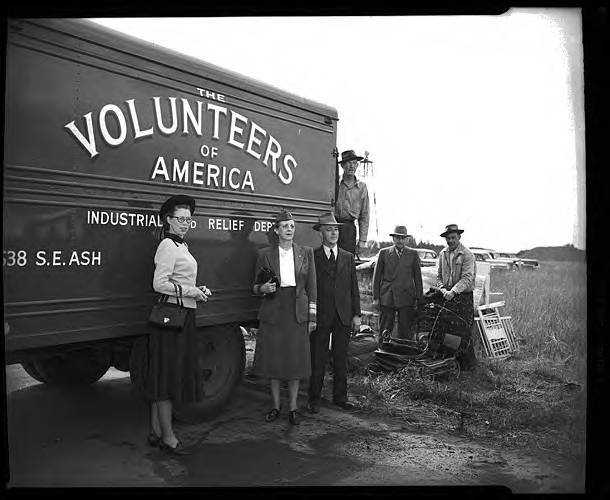
Black and white image of four men and two women standing beside a truck, loading household goods into the back. The signs on the truck read 'Volunteers of America. Industrial and Relief Department.' Museum records indicate that these goods were being gathered to assist the victims of the Vanport flood in 1950. Volunteers of America is a faith-based organization and was formed by one of the sons of General William Booth, founder of the Salvation Army. Booth's son left the Salvation Army organization over disagreements with his brother.
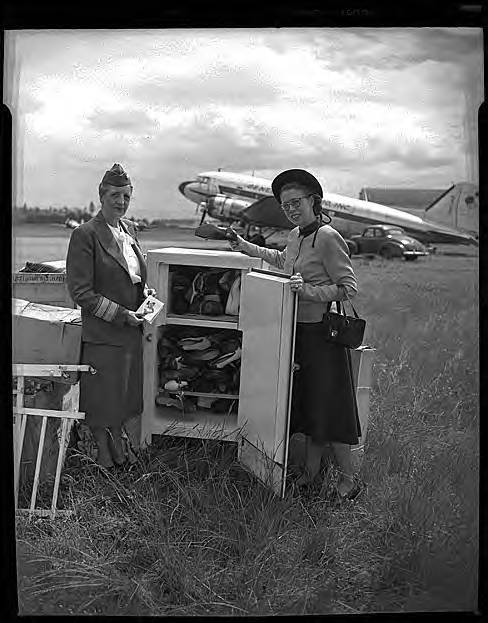
Black and white image of two women standing beside an open refrigerator in an airport field. The refrigerator is filled with shoes, and museum records indicate that they and the refrigerator are donations intended for victims of the Vanport flood.
Black and white image of four men and two women standing beside a truck, loading household goods into the back. The signs on the truck read 'Volunteers of America. Industrial and Relief Department.' Museum records indicate that these goods were being gathered to assist the victims of the Vanport flood in 1950. Volunteers of America is a faith-based organization and was formed by one of the sons of General William Booth, founder of the Salvation Army. Booth's son left the Salvation Army organization over disagreements with his brother.
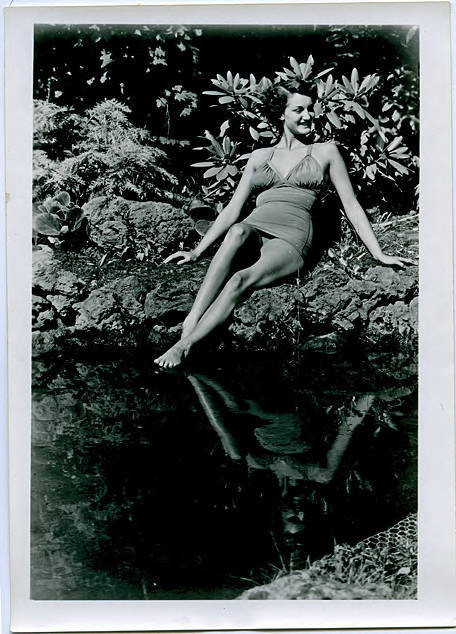
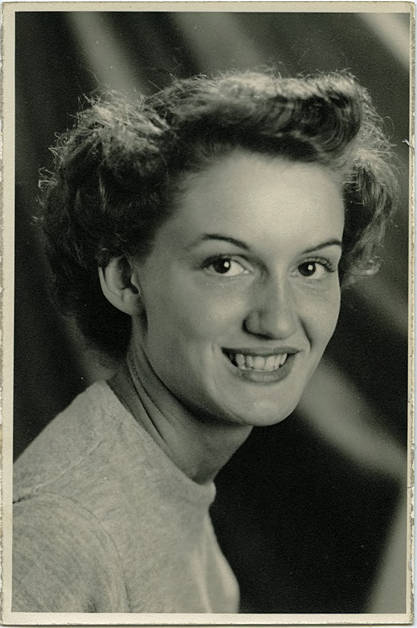
Black and white image of a young woman in a one piece swimsuit, reclining beside a pond. Museum records indicate that she is Gloria Bates, winner of the Miss Hillsboro contest in 1949.
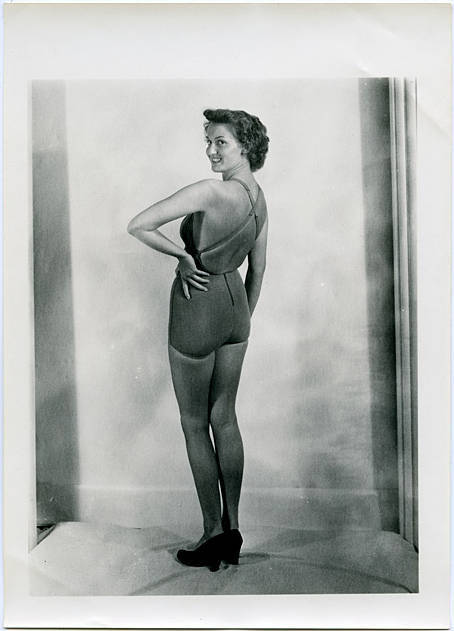
Black and white image of a young woman who stands with her back to the camera, looking over her shoulder. She wears a one piece swimsuit. Museum records identify her as Gloria Bates, winner of the Miss Hillsboro contest in 1949.
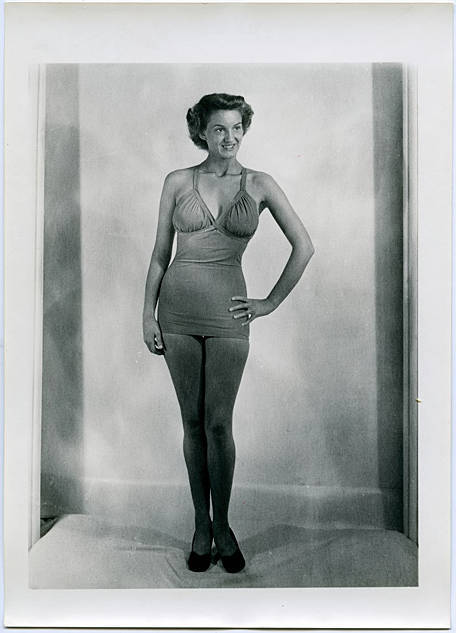
Black and white image of a young woman in a one piece swimsuit. Museum records identify her as Gloria Bates, winner of the Miss Hillsboro contest in 1949.
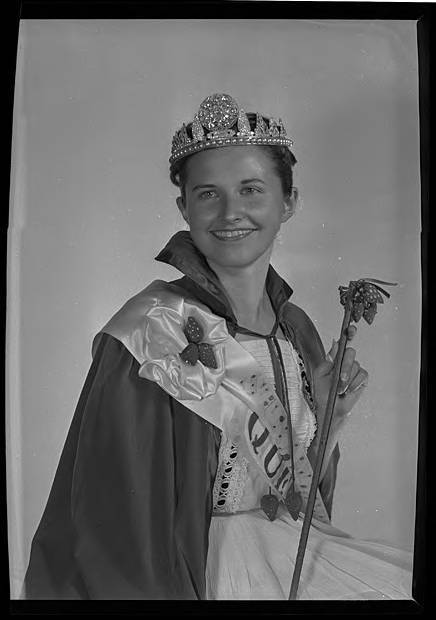
Black and white image of a young woman in regalia with a sparkly crown, holding a scepter decorated with fake strawberries. Museum records confirm that she is the Strawberry Queen, but give no other information. Washington County held its first Strawberry Festival in 1957, and the first strawberry queen was chosen the following year from a field of six candidates, judged for their 'talent, beauty, and poise.'
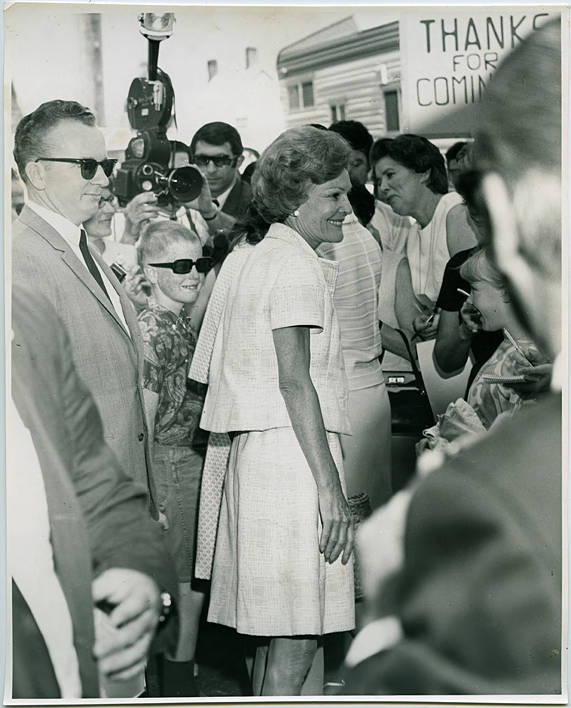
Black and white image of Patricia Nixon, most likely campaigning in Oregon for her husband's presidential bid. Note the 'portable' movie camera filming the event in the upper left of the image.
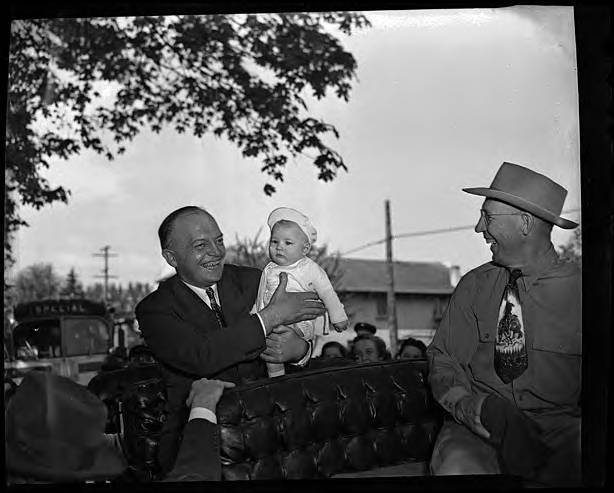
Black and white image of candidate Stassens taking advantage of the opportunity for a photo op. Harold Stassens was in Oregon to participate in a debate before the state's Republican primary . Stassens eventually lost his bid for the nomination to New York governor Thomas E. Dewey.
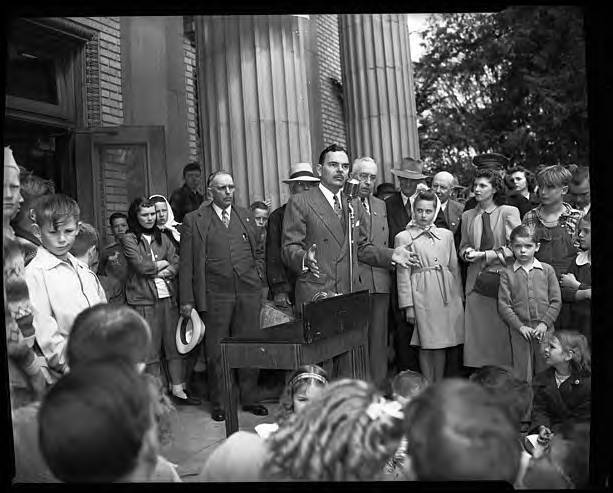
Black and white image of Thomas E. Dewey speaking to a group of people at the Washington County Courthouse. Dewey sought the Republican nomination three times, in 1940, 1944, and successfully in 1948. Incumbent president Harry Truman defeated Dewey in the general election that year.
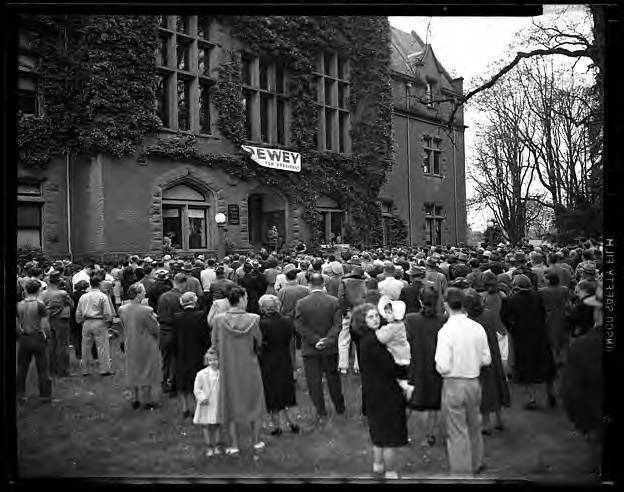
Black and white image of a crowd filling the lawn in front of Pacific University's Marsh Hall to listen to then-governor of New York, Thomas Dewey, speak. Dewey was running for the Republican nomination for President against a field of five other candidates.
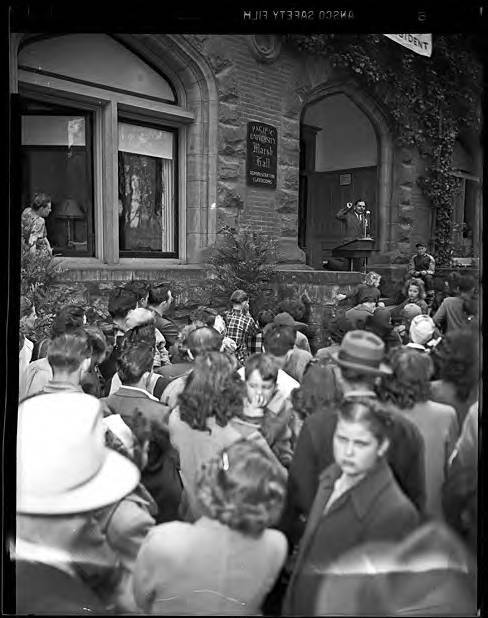
Black and white image of Thomas E. Dewey, speaking to a crowed at Pacific University. Dewey won the Republican nomination, but lost in the general election that following November to incumbent president Harry Truman.