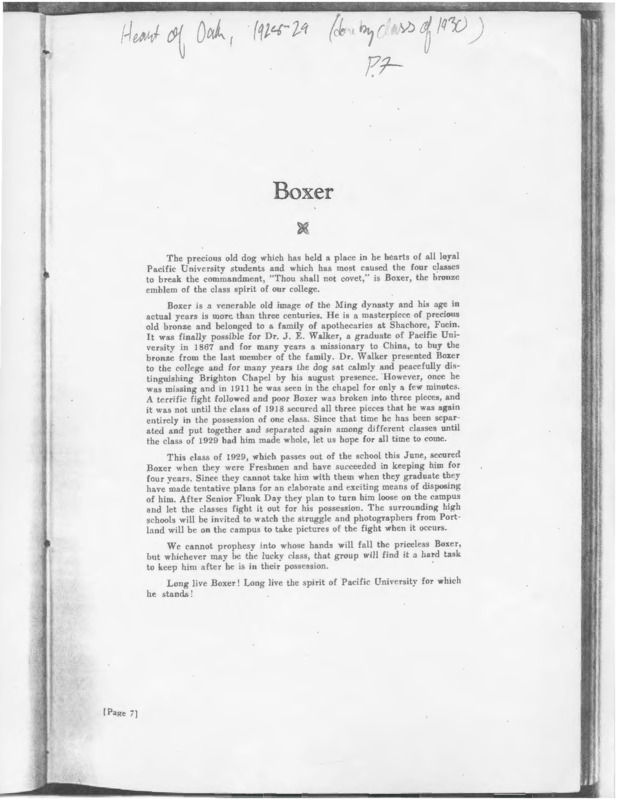
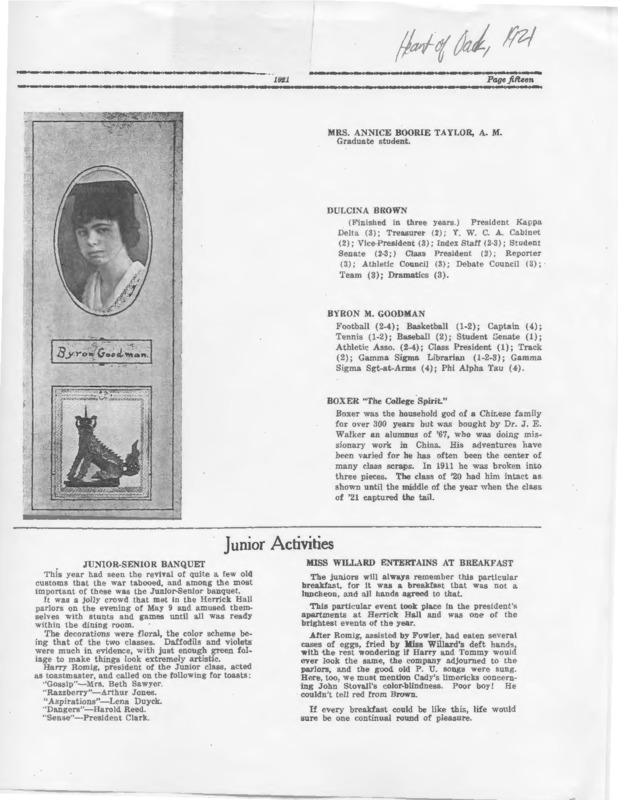
'Boxer' story on Boxer's history from the 1928-1929 Pacific University yearbook, also known as the 'Heart of Oak.' Some of the details about the Boxer statue's origins in China, such as the name of the city from which it came, are inaccurate. The text also includes details about a Boxer Toss that was planned for spring 1929.
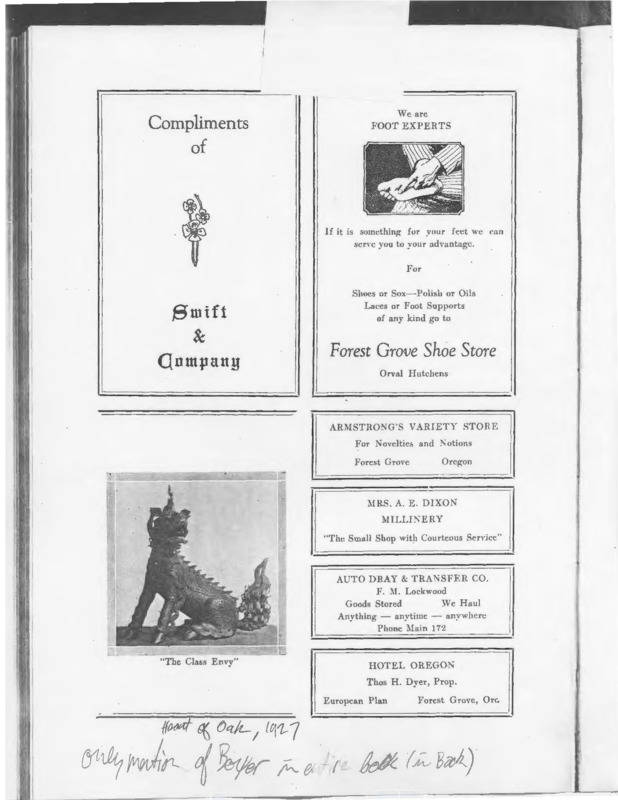
'The Class Envy' photograph of Boxer among yearbook advertisements. This appeared at the back of the 1927 Pacific University yearbook, also known as the 'Heart of Oak.'
'Trophy Stirs Classes' story on class rivalries and Portland Police actions related to stealing the Boxer statue. Some details relating to the original donation of the Boxer statue are included. George Tucker, an alumnus, added notes in handwriting at the bottom, including some about a rival class trophy, 'Hathor.'
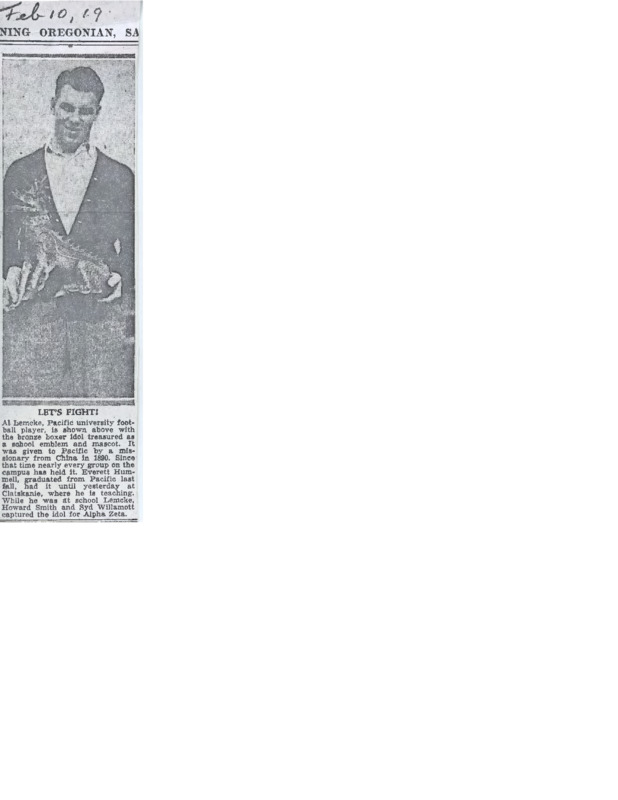
'Let's Fight!' news clipping from the Morning Oregonian, on Alpha Zeta members stealing Boxer from a Pacific University alumnus. The illustration shows Al Lemcke (Pacific University Class of 1936), who was a football player and a member of Alpha Zeta, holding the Boxer statue. For a related article, see PUA_MS95_36.
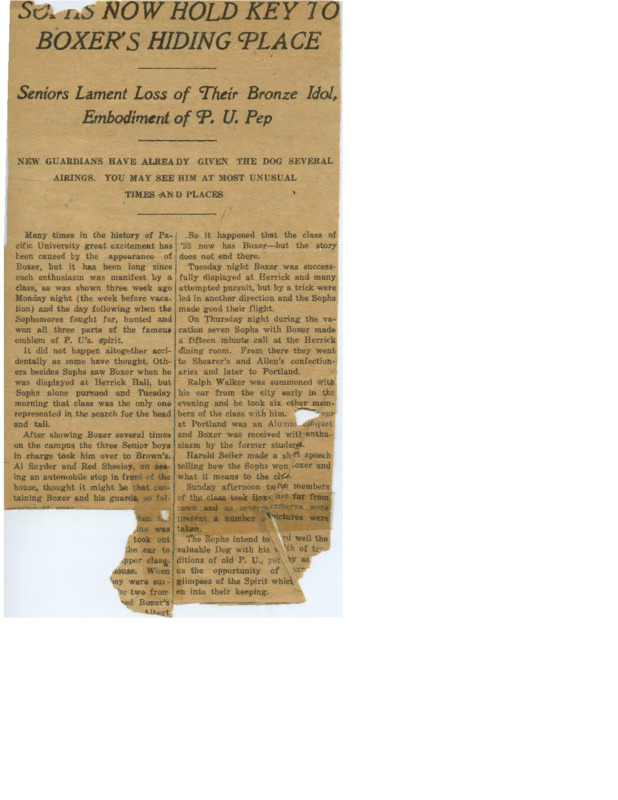
'Sophs now hold key to Boxer's hiding place,' news clipping from the Pacific University student newspaper ('The Index'), on Sophomores stealing Boxer from the Seniors.
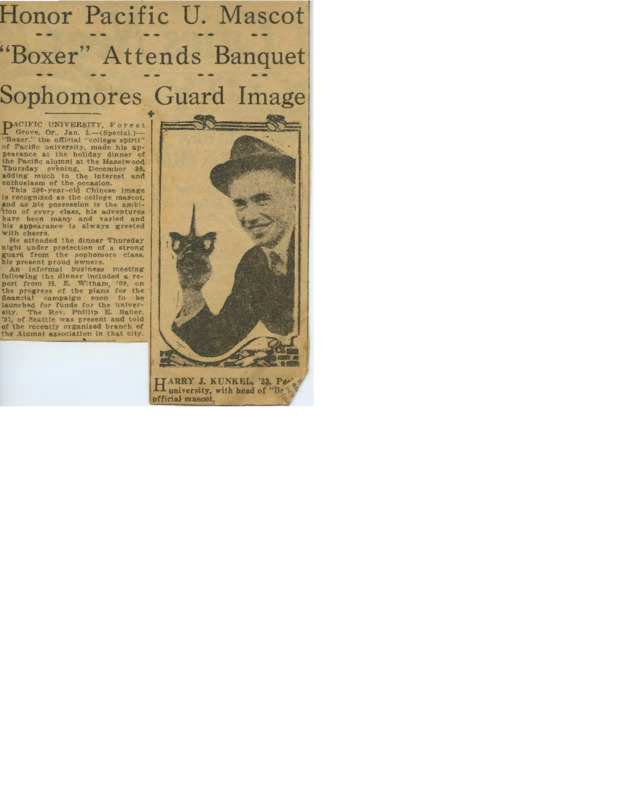
'Boxer Attends Banquet,' news clipping on Boxer's appearance at a holiday dinner. Includes an image of a Pacific University student holding the detached head of the Boxer statue.
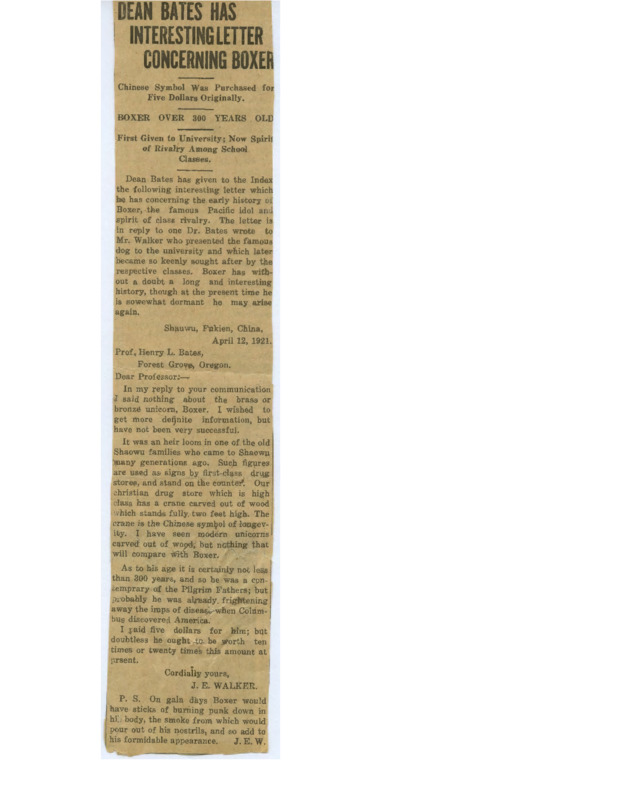
'Dean Bates has interesting letter concerning Boxer' featuring J.E. Walker on his family's donation of Boxer to Pacific. This article reprints a letter by Walker; it contains details about Boxer's origins in China and the circumstances under which it came to Pacific University.
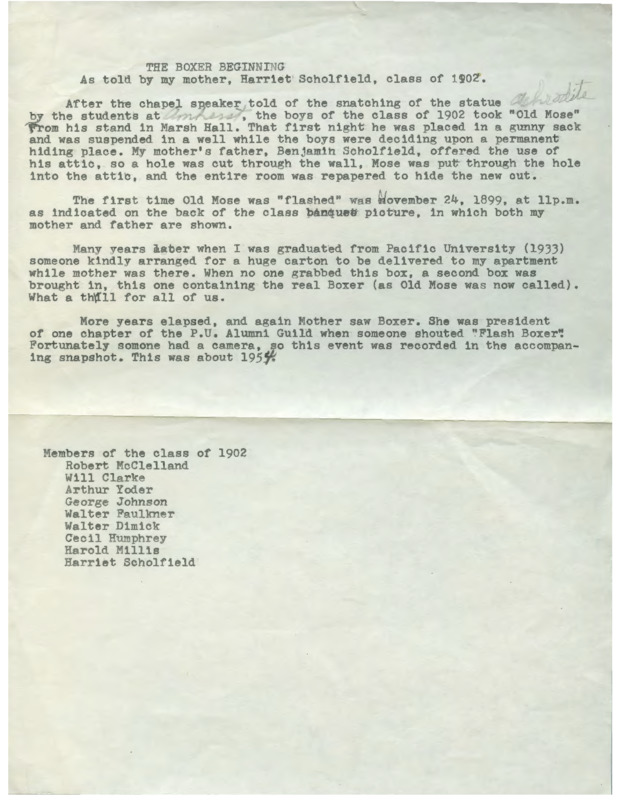
'The Boxer Beginning,' typed story of the first time Pacific University's Boxer statue was stolen in 1899. The story was written down by the son or daughter of Harriet Scholfield, who graduated from Pacific University in 1902. It was the Class of 1902 that first stole the statue and began the campus traditions surrounding Boxer. The letter also recounts two other incidents from 1933 and 1954. Originally, the letter was accompanied by a photograph, but the two were separated some time ago. The photograph was likely similar to the banquet image cataloged as PUA_MS95_503.
This item is part of a collection of archival material related to Boxer, the mascot of Pacific University.
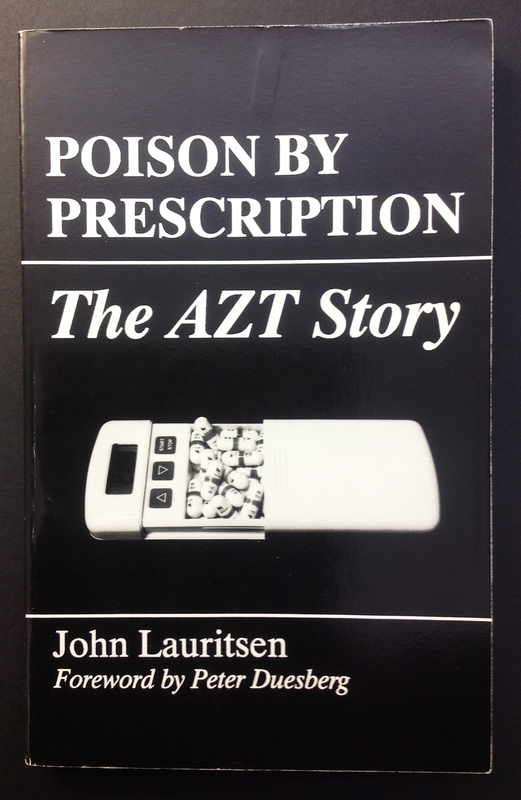
This 1990 book contends that AZT, far from being the best drug to deal with the AIDS virus, is a 'toxic drug, with no scientifically proven benefits' that is pushed by 'corrupt government officials, incompetent researchers, and an unscrupulous pharmaceutical company.' The author defends a position (rejected then and now by mainstream medicine) that AIDS is not infectious -- rather, it is a 'disease entity' caused by toxins.
The Harvey Milk Gay Democratic Club produced these informational flyers in 1983-1984, at a time when the nature AIDS was poorly understood. The publishers used guidelines from the Bay Area Physicians for Human Rights to come up with recommendations for how to avoid contracting the virus; they updated the flyers as more information became available. The flyers were distributed in the Castro and, through mailings, to many other cities.
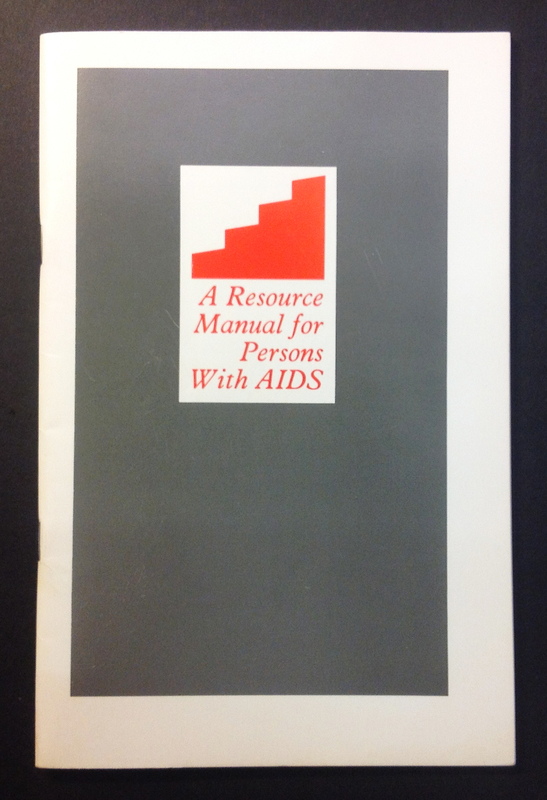
This manual lists medical, financial, legal and other support resources for AIDS patients in the San Francisco area as of December, 1985. The manual paints a bleak picture of what was expected for AIDS patients at the time. Sections on food stamps, 'Dentists willing to treat persons with AIDS,' and hospice care show some of the challenges that patients encountered. Information about various assistance groups such as 'People with AIDS' and the Shanti AIDS Residence Program are also provided.
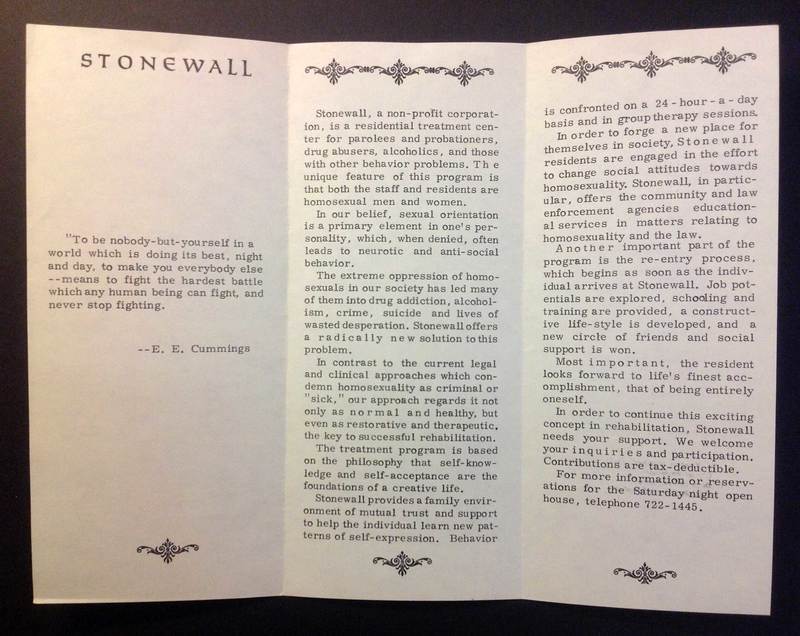
This brochure describes the services of 'Stonewall,' a Seattle treatment center for gay men and lesbians. Therapy for addiction and other problems was provided in a positive atmosphere that accepted gays and lesbians as normal.
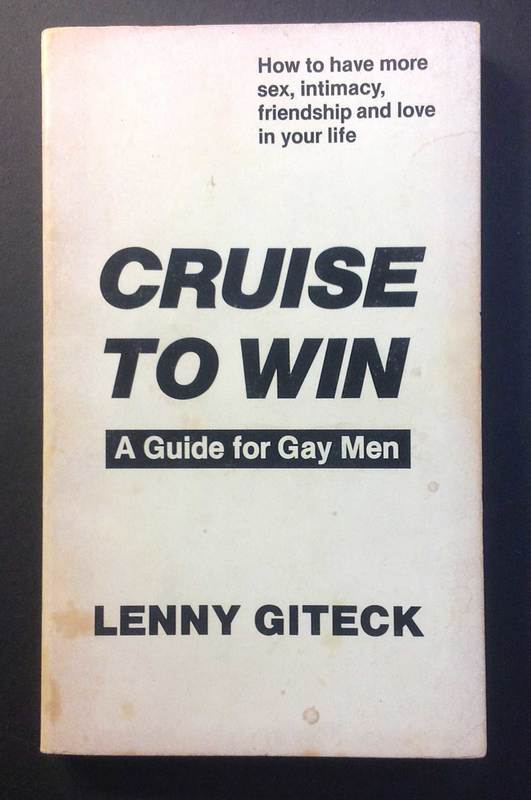
This self-help guide to 'cruising,' or finding other gay men for sexual or romantic contact, was published just before the AIDS crisis. Although the book speaks about creating long-term, loving relationships, it avoids mentioning STDs or safer sex practices.
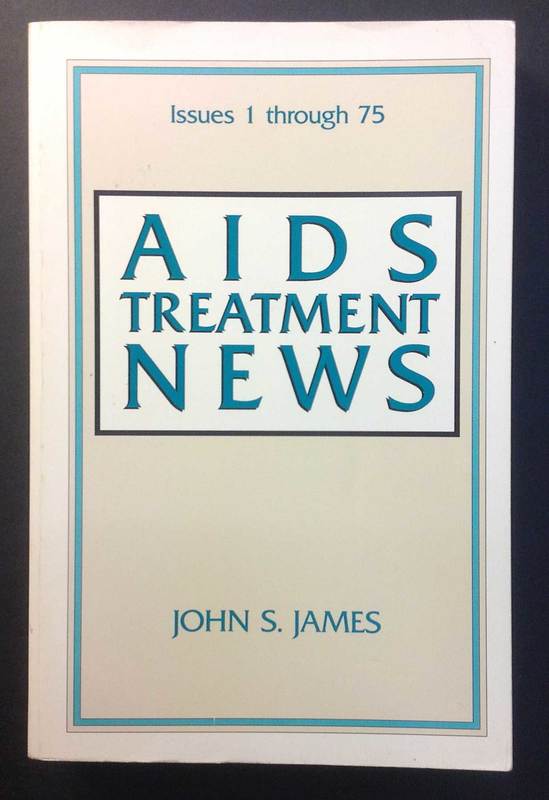
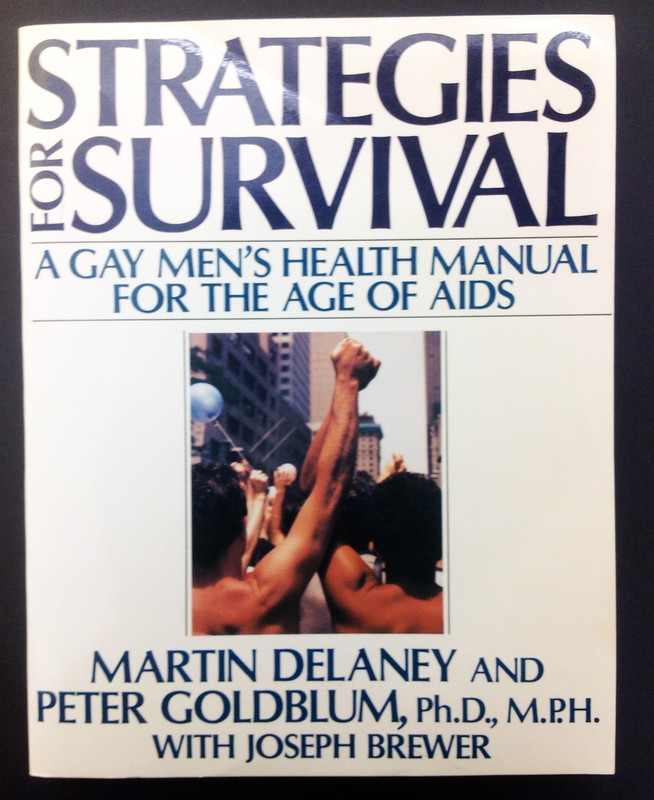
This book is a compilation of the first 75 issues of 'AIDS Treatment News,' a newsletter published in San Francisco. The authors tried to provide coverage of the latest medical research at a time when 'treatment information was regarded as quackery, false hope which interfered with the process of accepting death' (p. xxix). The book provides insight into how patients and doctors learned about potential treatments between 1986-1989.
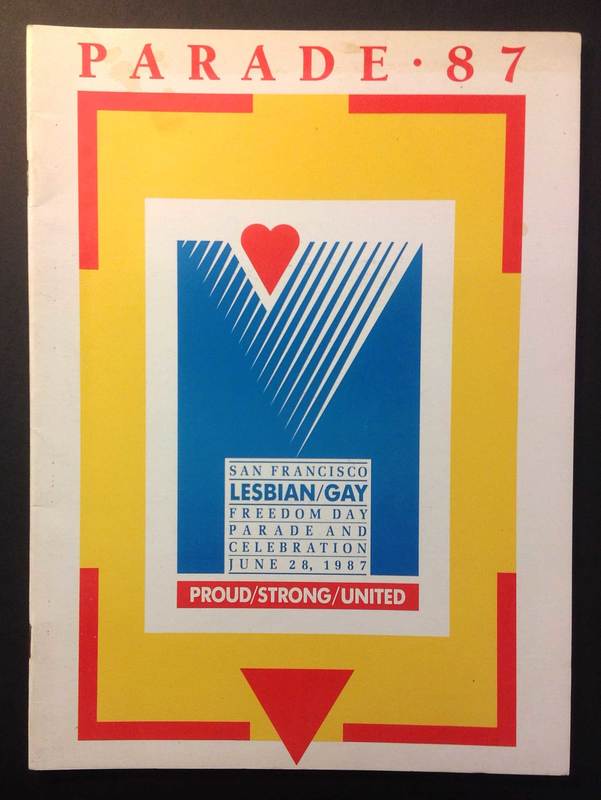
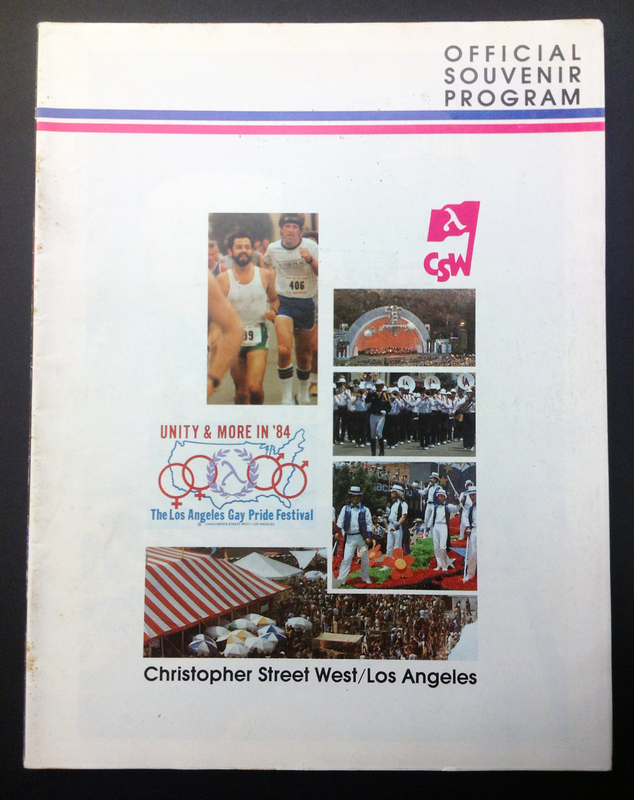
This program shows the depth of the impact that the AIDS crisis was having on San Francisco's gay community in 1987, while also celebrating the fun and lightheartedness of the parade. Fundraisers for AIDS charities and political editorials in favor of expanded rights stand alongside advertisements for politicians, bars and businesses.
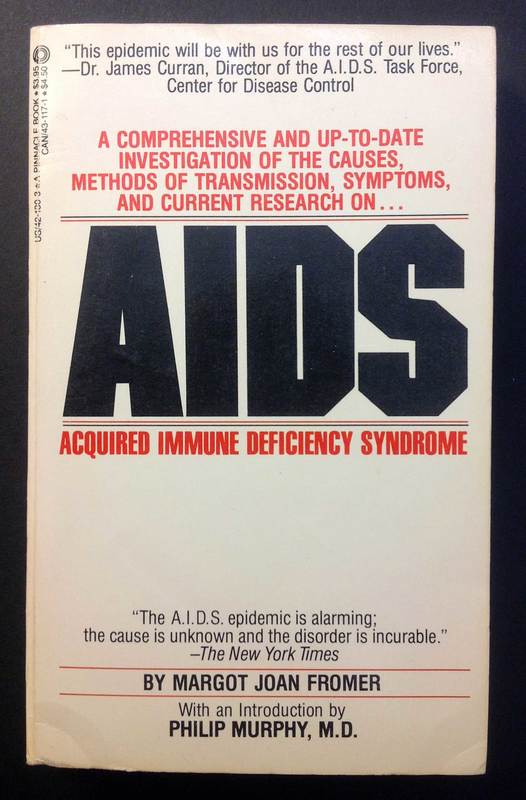
Written for a general audience, this book was published in October 1983, just one year after the disease was named AIDS. Its features alarming headlines such as, 'The number of new cases has been doubling every eight to twelve months' and 'WHO WILL BE AFFECTED NEXT?' The author lays out theories about how the disease spreads, including through blood or through contact between people with compromised immune systems, but downplays the possibility of sexual transmission.
This book was published in Portland by Don Baker, a Christian who lived as a gay man for many years. In this book, he tells the story of becoming an 'ex-gay' and encourages other gay men to do the same; yet also argues for increased acceptance of gays within churches, if only to help them stop gay behaviors.
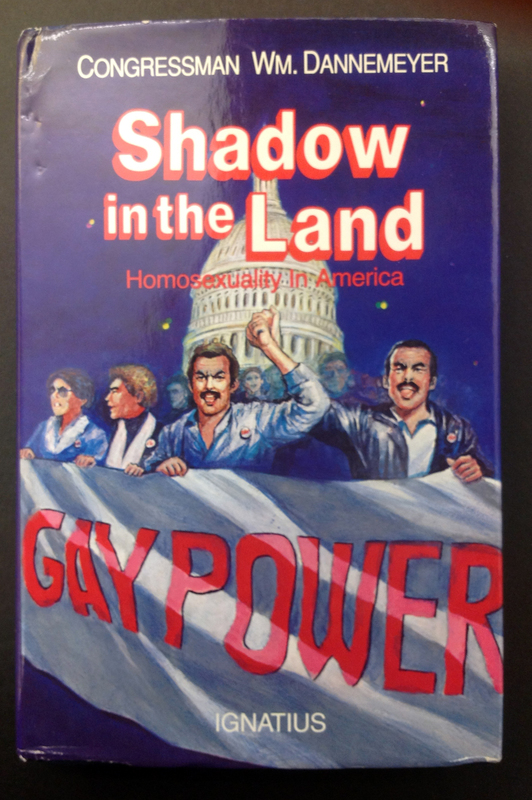
This polemical book written from an anti-gay perspective provides conservative viewpoints on the history of the gay rights movement. The author, California Congressman William Dannemeyer, proposes reinstating sodomy laws and allowing compulsory testing for the AIDS virus.