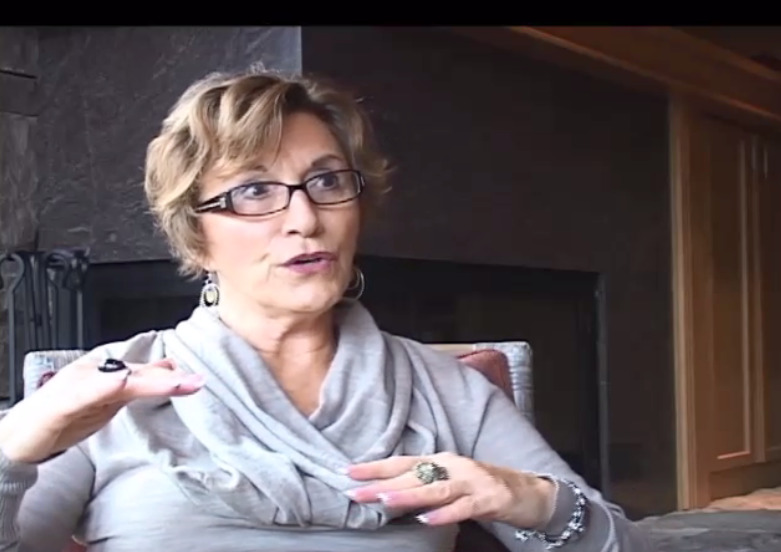
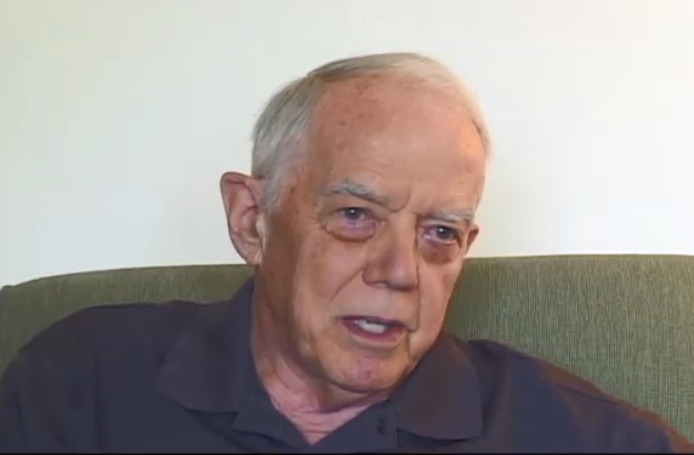
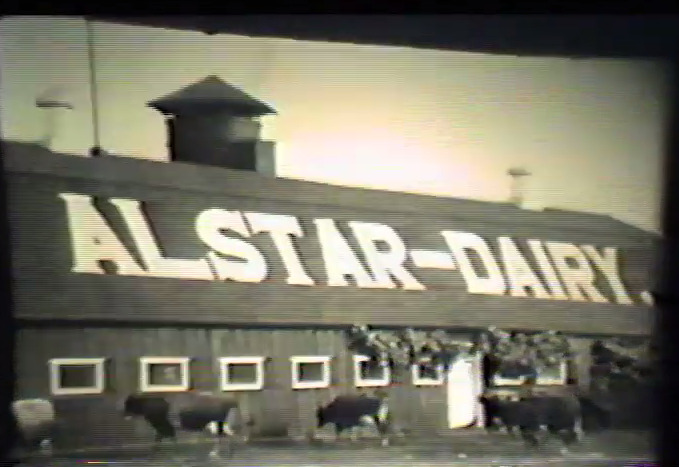
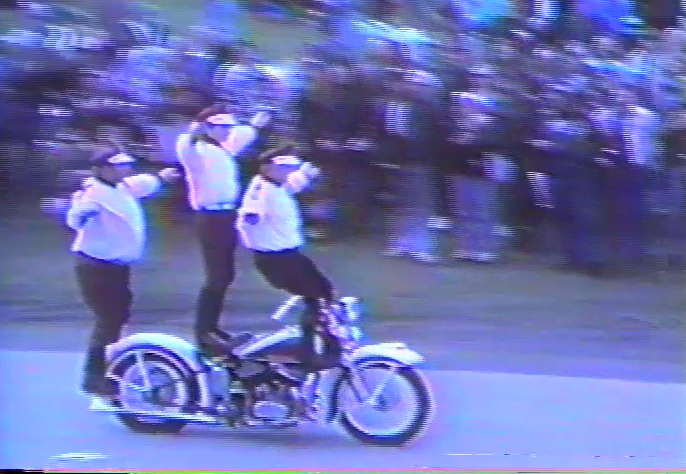
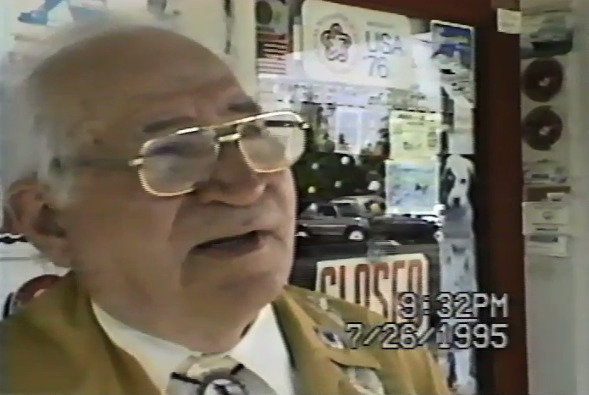
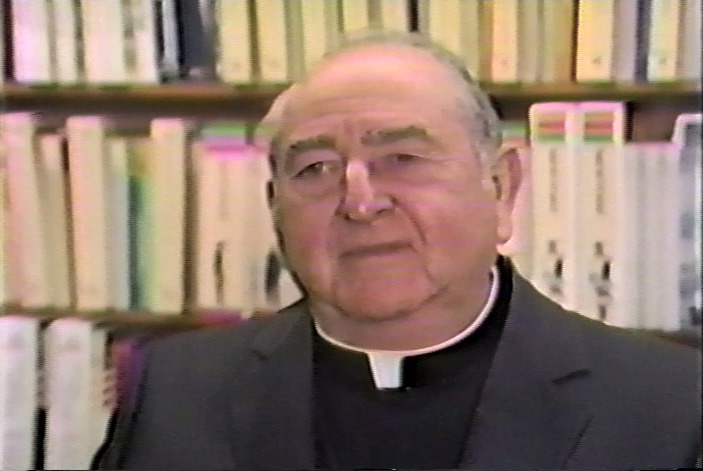
Part 1 of a video recording of an oral history of Pat Reser on life in Canada and Beaverton, and Reser's Fine Foods. There is a transcript of this interview.
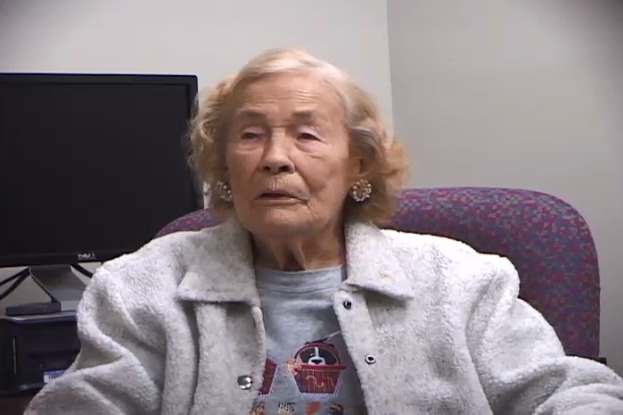
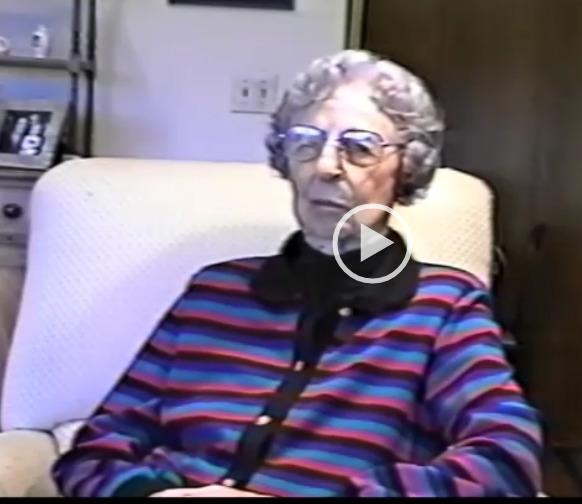
A video recording of an oral history of Agnes Hendren on the Great Depression and riding the railroads as a woman. There is a transcript of this interview.
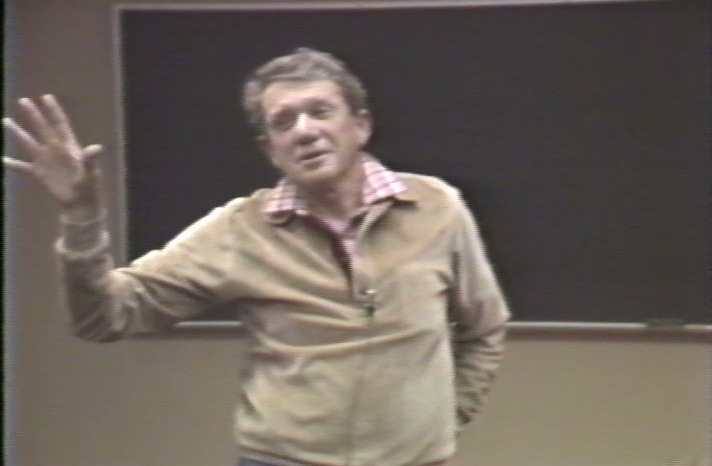
A video recording of a history talk by Oral Bullard on the history of the Columbia Gorge, including the building of the original Columbia River Highway by Sam Lancaster and the creation of the dams. Recorded at PCC Rock Creek and sponsored by the Washington County Historical Society.
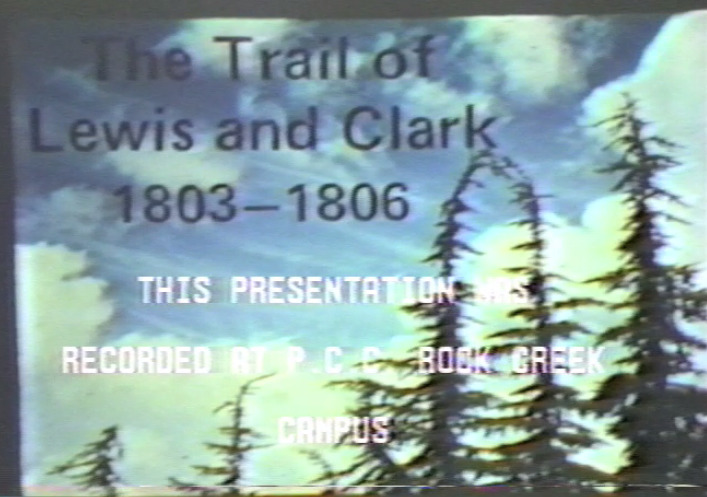
A video recording of a history talk by Dr. Chuinard on the Lewis & Clark Trail, recorded at PCC Rock Creek and sponsored by the Washington County Historical Society. The video primarily shows the slideshow that accompanies the talk.
A video recording of Forest Grove from 1937. Local newspaper publisher Hugh McGilvra and Police chief Gary K.Tyler introduce the film. The film focuses on local schools, businesses and services and the people involved with them. McGilvra talks throughout the silent film describing the images. At the end of the film, Tyler notes that this is the police department's first effort to use video to communicate with the public and they hope to use it more. Donated to the Washington County Museum by Forest Grove Police Services in 1983.
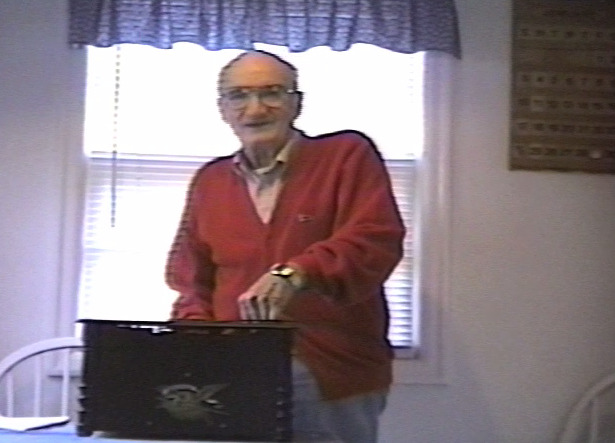
A video recording by Paul Cappoen of the home of Gerome and Rose Cappoen and their six children on Cappoen road. The Cappoens had lived there since 1912. Paul, their oldest son, shares information his family as he records videotape of their family home on Cappoen road. Later Paul is shown playing a crank organ.
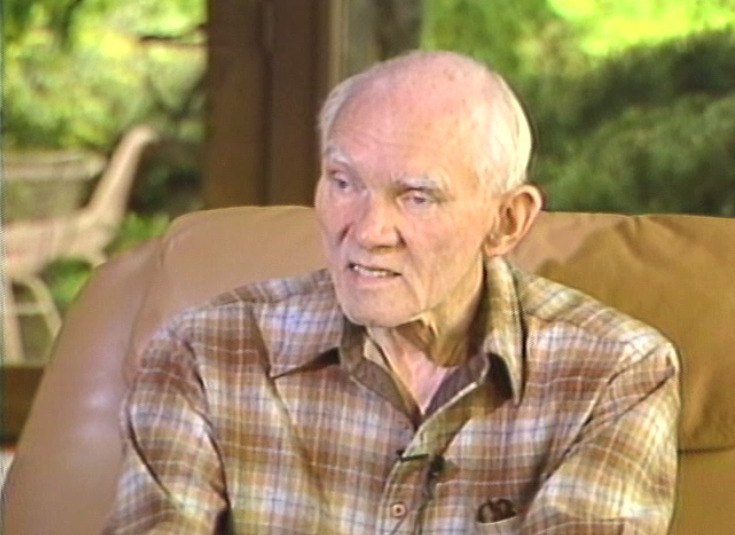
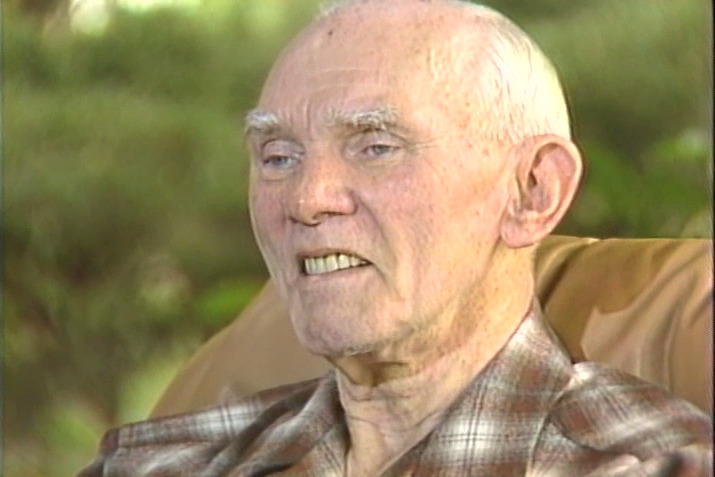
A video recording on DVD titled Howard Vollum Interviews, conducted by Jim Castles. Howard Vollum (May 31, 1913-February 5, 1986), an engineer, scientist, and philanthropist, was the co-founder of Tektronix Corporation, and endowed the Vollum Institute.
A video recording on DVD titled Howard Vollum Interviews, conducted by Jim Castles. Howard Vollum (May 31, 1913-February 5, 1986), an engineer, scientist, and philanthropist, was the co-founder of Tektronix Corporation, and endowed the Vollum Institute.
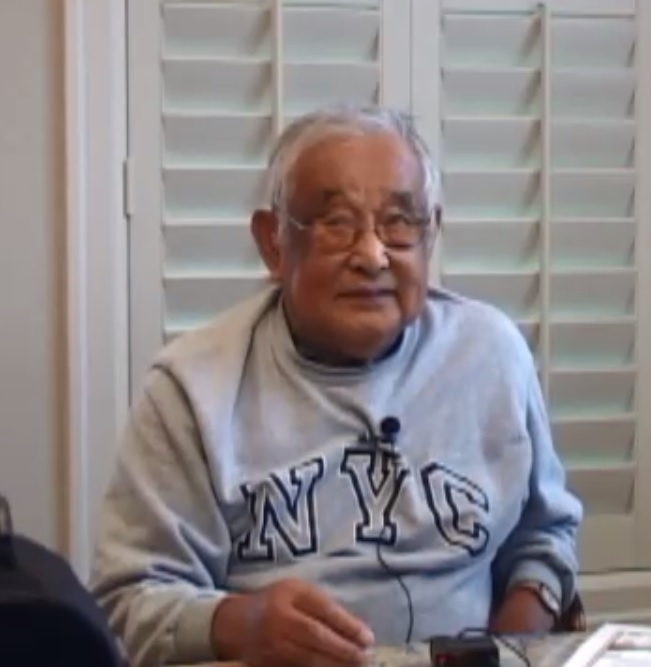
An audio recording of an oral history of Arthur Iwasaki, including his family's farming history in Washington County, starting out with a dairy farm and moving to strawberries and vegetables in the late 1920s; his experiences in World War Two and discrimination against Japanese people; buying his own farm after the war and building a nursery business.
A video recording of an oral history of Jim Darr, former Hillsboro mayor, including the founding of Hillsboro Community Arts and the Hillsboro farmer's market; changing the city charter, and the economic development of Hillsboro in the 1980s.
A video recording of an oral history of Shirley Huffman, including her experience as a Hillsboro city councilor from 1979-1984, first female mayor of Hillsboro from 1985-1993, working on getting blue MAX line to Hillsboro and facilitating tech companies to locate in Hillsboro. File includes photos. There is a transcript of this interview.
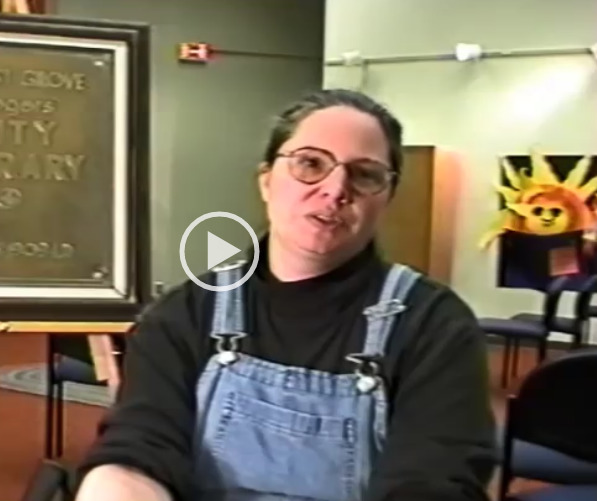
A video recording of an oral history of Megan Havens on the founding of Forest Grove and the early years of the Forest Grove City Library. There is a transcript of this interview.
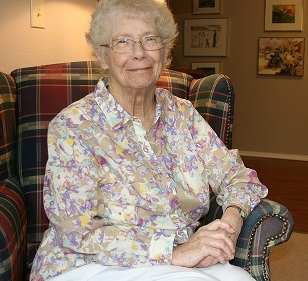
A video recording of an oral history of Ruth Loomis, longtime resident of Forest Grove, on her childhood and family in Forest Grove and the history of the Forest Grove library. There is a transcript of this interview.
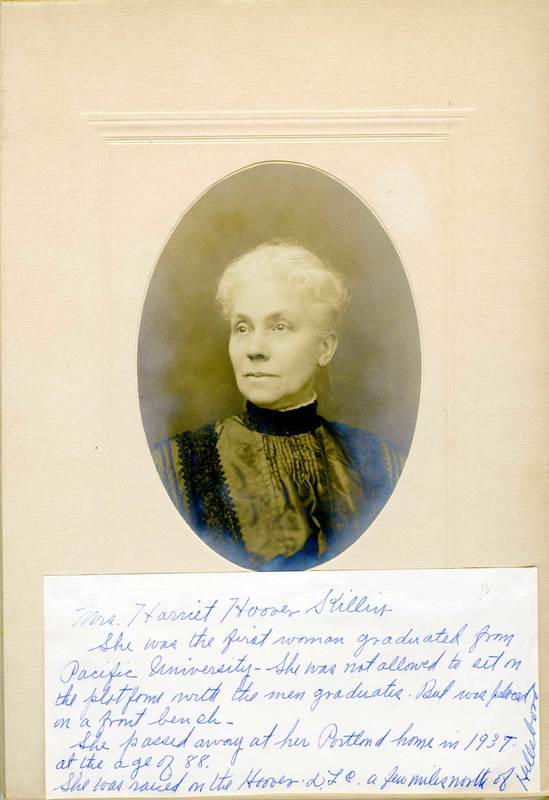
Harriet Hoover Killin was the first woman to graduate from Pacific University in 1869. The photo in this exhibit is one that was taken in 1937 when she was 88. It is believed that she is some how related to Herbert Hoover, because they both have family ties in Oregon.
Something important to note, is during graduation, classes were so small, every person was expected to give a speech. She was not allowed because she was a woman. Harriet Hoover Killin brought in a new wave to Pacific, and started the trend for all the rest of the woman after her.
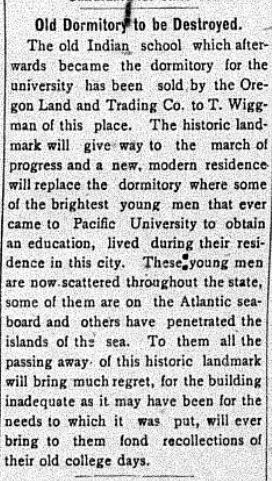
A brief newspaper article noting that the former boys' dormitory of the Forest Grove Indian Training School would soon be demolished in order to make way for a more modern residence. The building had been used as the boys' dormitory at the Indian School from about 1880-1885, and then in the 1890s through early 1900s it was used as the first men's dormitory for Pacific University. The article notes that a local man named T. Wiggman wanted to construct a newer building in the same location. The newer building which replaced the Boys' Dormitory may be the apartments that currently stand at 2210 C St. in Forest Grove. This article was originally published on April 9, 1908 in the Washington County News. The image is derived from a microfilm copy of the newspaper.
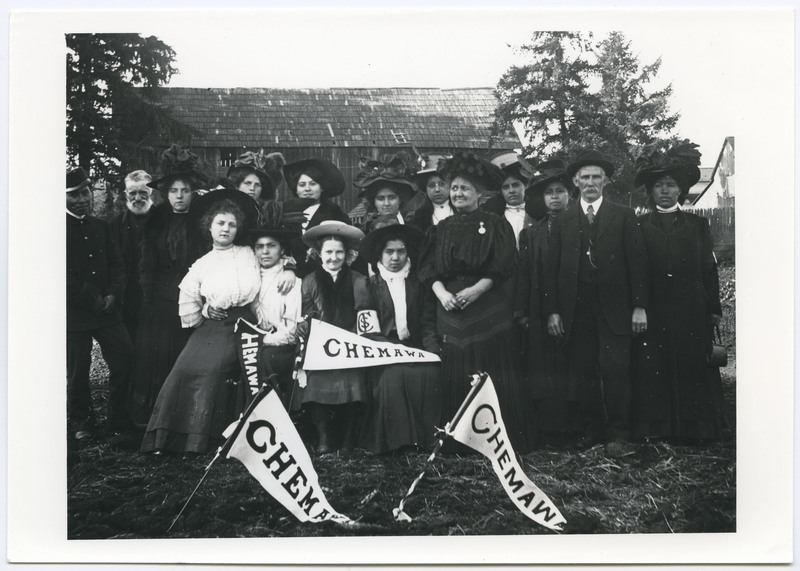
A group portrait of students and staff from Chemawa School, visiting the original site of the Indian Training School in Forest Grove, showing the remains of one of the school workshops in the background. At the time when this picture was taken, the school had been relocated to Salem and renamed Chemawa. In this photo are Edwin L. Chalcraft, second from right, and Alice P. Chalcraft, his daughter, seated in front with a white hat. Edwin Chalcraft was the superintendent of Chemawa School from 1894-1895 and 1904-1911. This photograph was probably taken around 1910, by which time both of the school's original dormitories had been destroyed, leaving only a few rickety outbuildings on the site of the former campus.
This image is a copy of an earlier version of the photograph. It is most likely based on an original lantern slide located in the Chalcraft-Pickering Photographs collection at the Washington State University Archives.
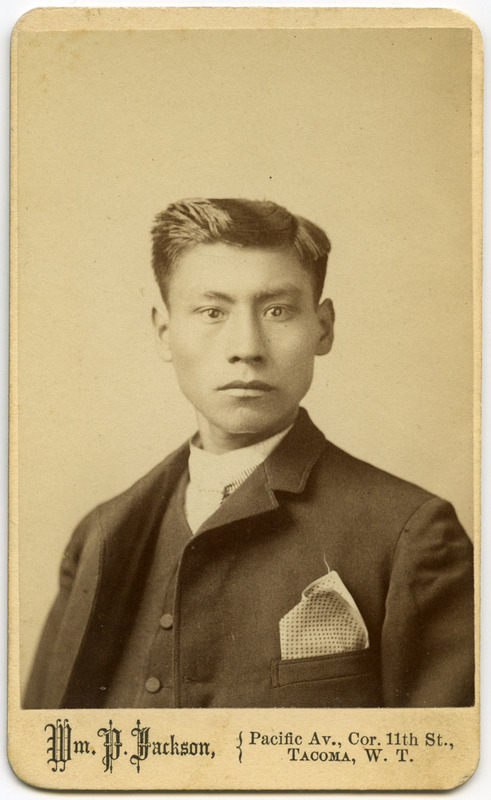
A portrait of an unidentified Native American boy. He most likely attended the Forest Grove Indian Training School and/or the Chemawa School in the 1880s. Based on the location where this photograph was taken in Tacoma, he may have been a member of the Puyallup tribe.